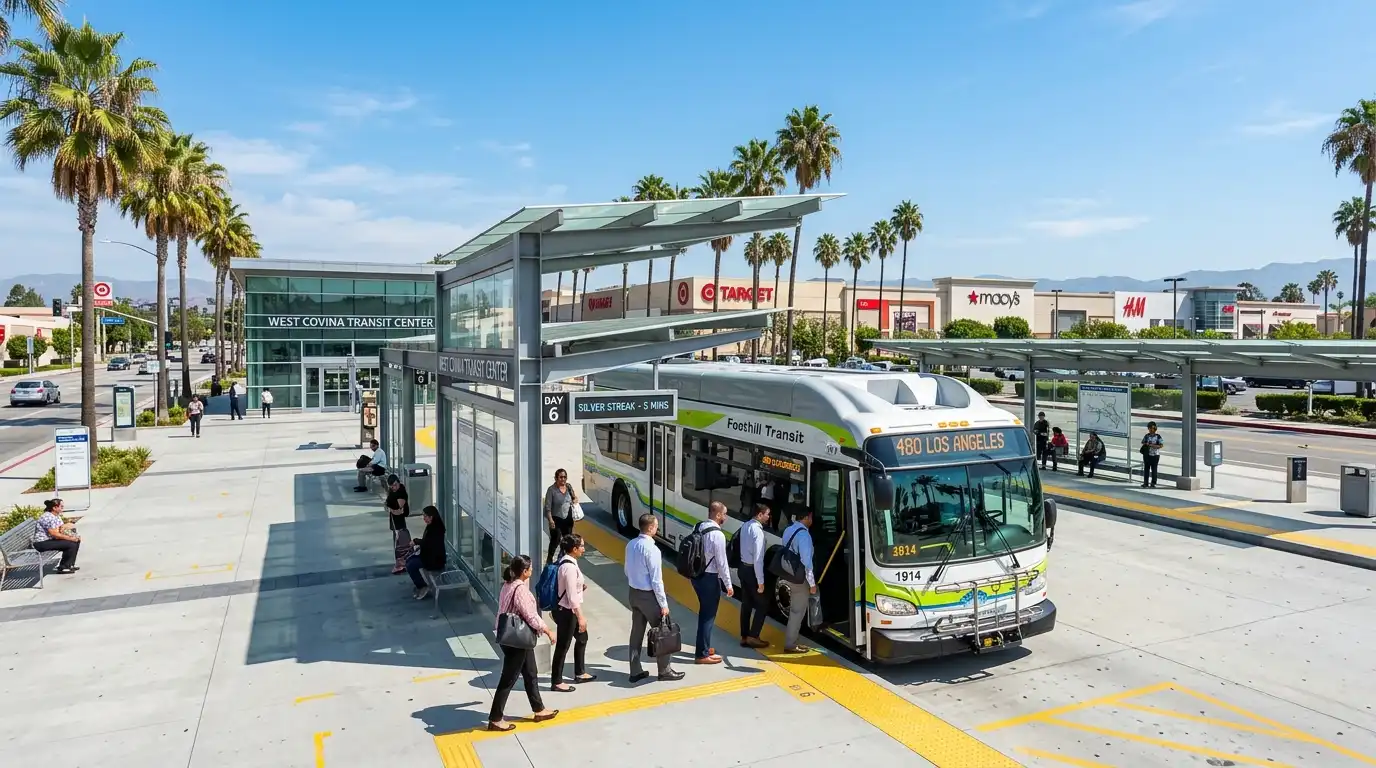
From its early history as an agricultural agricultural haven to its modern standing as a diverse suburban anchor, West Covina offers a lifestyle defined by outdoor recreation, neighborhood pride, and rich cultural traditions. Understanding what makes West Covina tick means exploring its parks, historical roots, and distinct local neighborhoods.
From Walnut Groves to Suburban Haven
Before West Covina transformed into the bustling residential hub seen today, the landscape was dominated by vast agricultural land. In the late 19th and early 20th centuries, citrus orchards and extensive walnut groves stretched across the valley floor. Incorporated in 1923 primarily to prevent neighboring cities from establishing sewage farms on agricultural land, West Covina was once celebrated as the fastest-growing city in the United States during the post-World War II suburban boom.
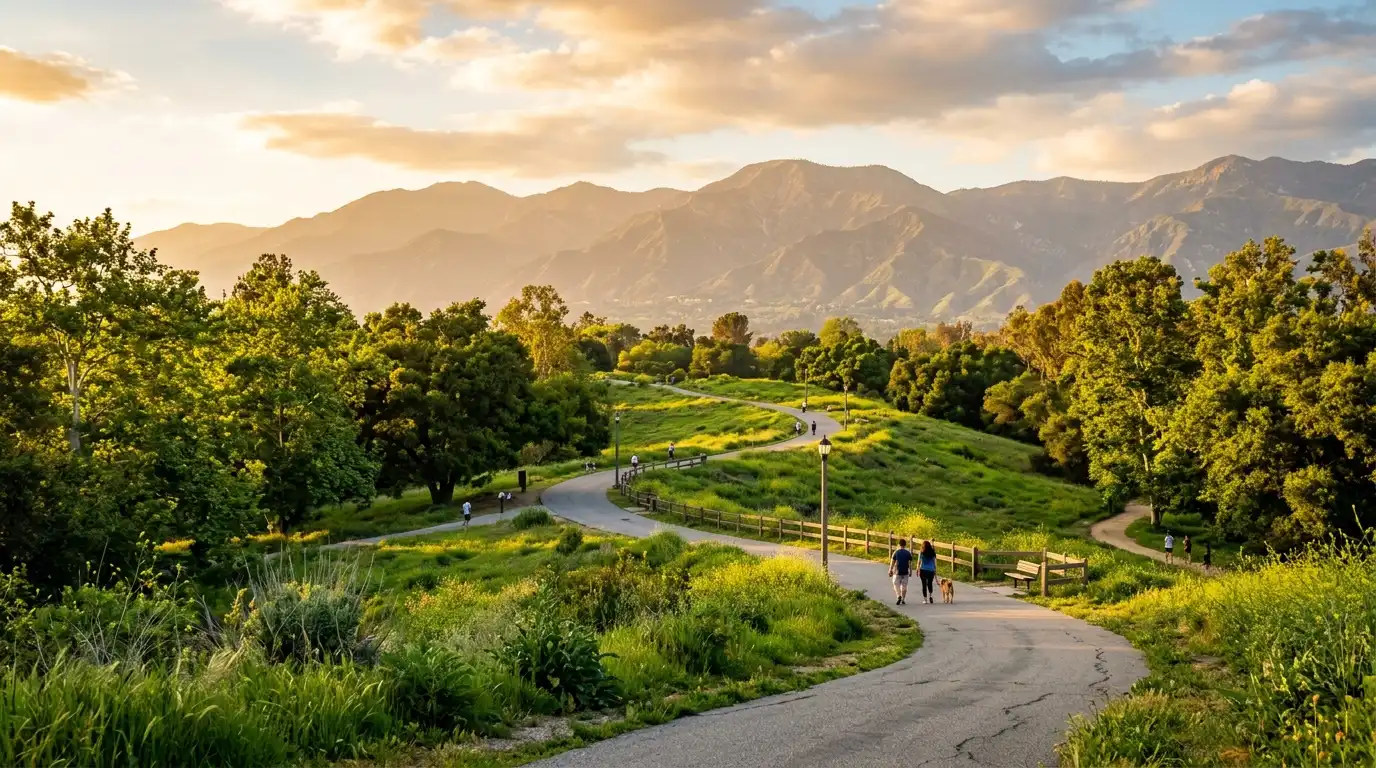
As suburban housing developments expanded throughout the 1950s and 1960s, town planners made a conscious effort to preserve natural topography and establish civic green spaces. Today, remnants of that agricultural legacy linger in the city’s mature street canopies, wide residential lots, and preserved open spaces that offer panoramic views of the San Gabriel Mountains.
The Green Anchor: Parks and Nature Preserves
One of the primary benefits of daily life in West Covina is its extensive municipal park system. Spanning dozens of public parks, community centers, and natural sports complexes, the city provides outdoor recreational opportunities for residents of all ages.
1. Galster Wilderness Park
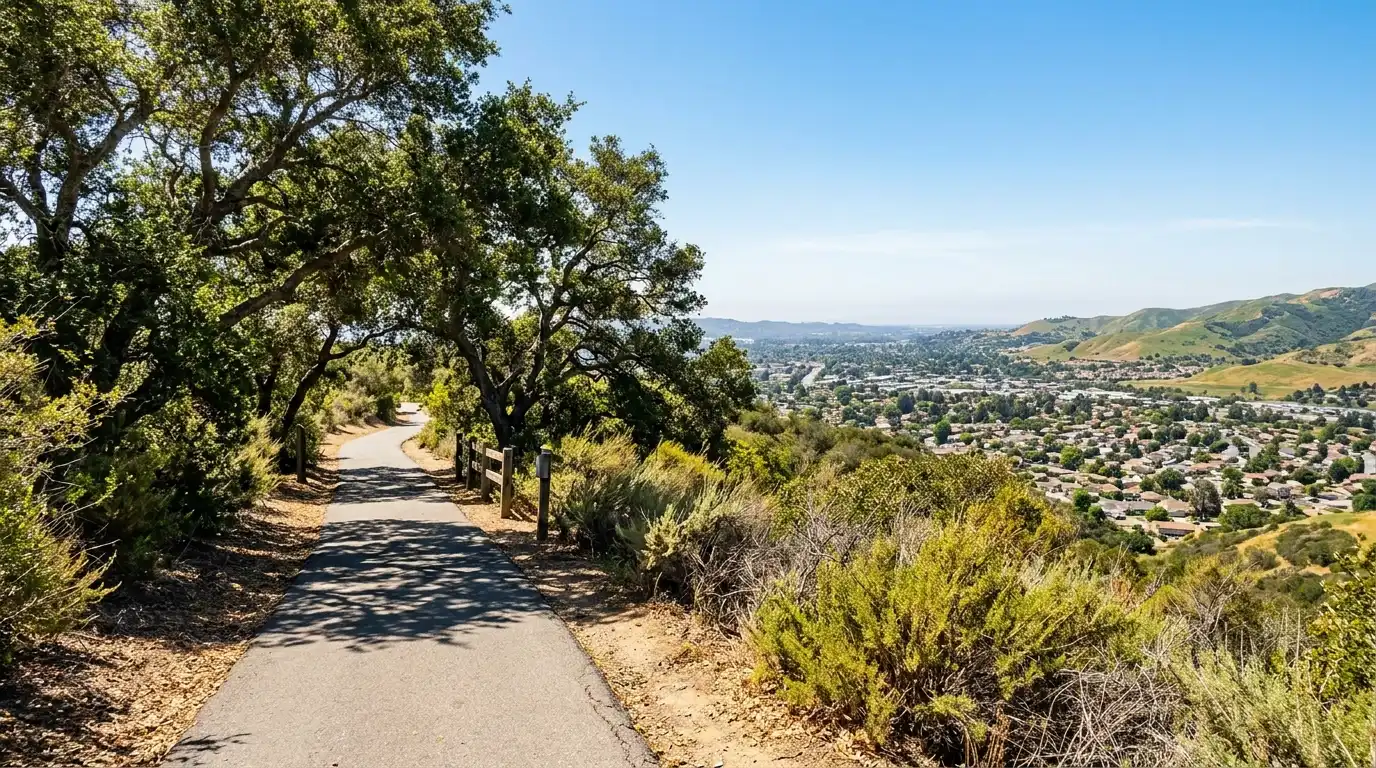
Tucked away on the northern slope of the San Jose Hills, Galster Wilderness Park offers a tranquil retreat from urban life. This 42-acre nature preserve features native chaparral, coastal sage scrub, and shady oak trees alongside gentle hiking trails. It serves as a vital educational resource and wildlife sanctuary where visitors can enjoy sweeping views across the San Gabriel Valley basin.
2. Cortez Park and Shadow Oak Park
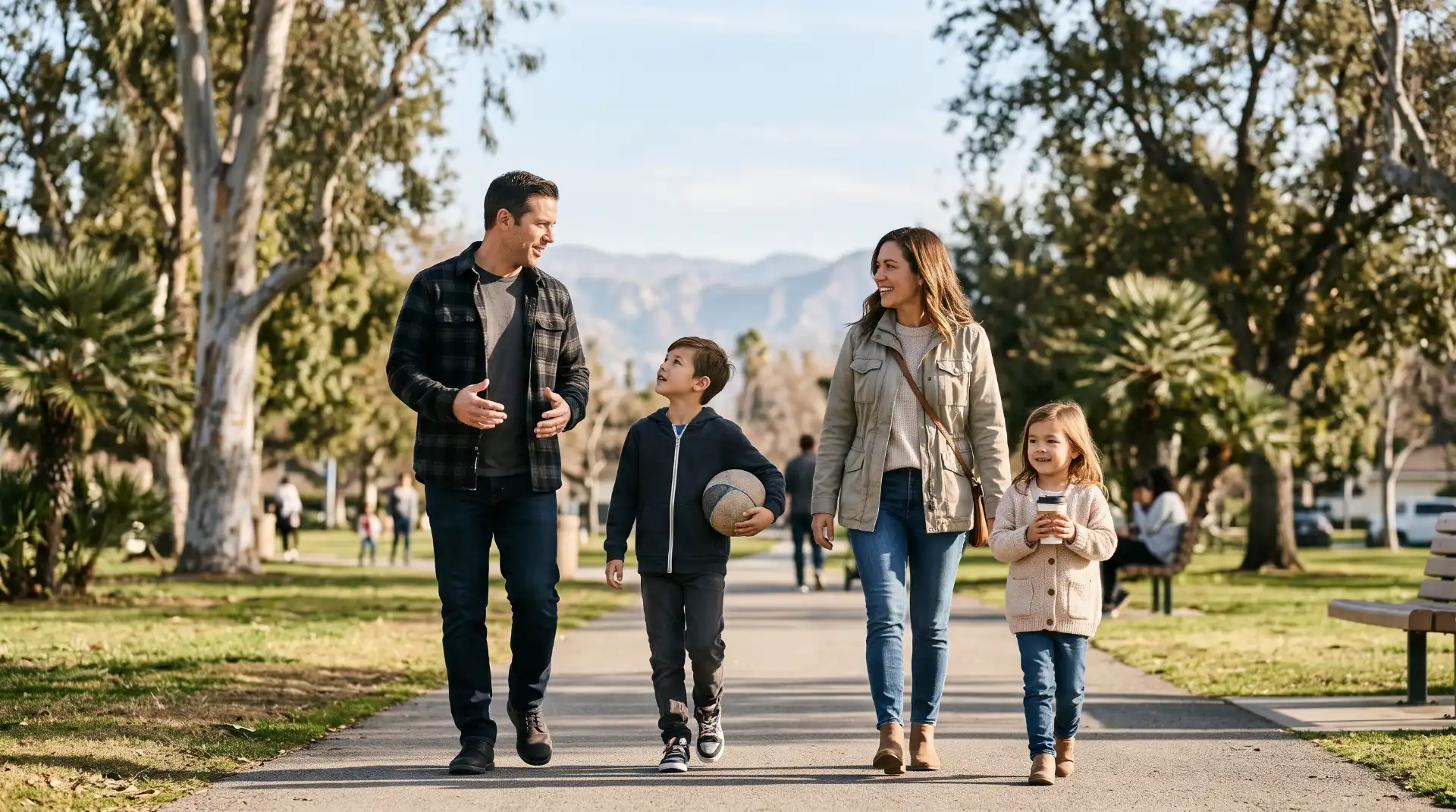
For active families, public facilities like Cortez Park and Shadow Oak Park provide sprawling green lawns, modern playground structures, shaded picnic pavilions, and paved walking loops. On weekends, these grounds come alive with youth soccer leagues, family birthday celebrations, and neighbors taking evening walks under the California pepper trees.
3. Big League Dreams Sports Park
Reflecting the city’s strong athletic traditions, the West Covina Parks and Recreation Department oversees state-of-the-art facilities like Big League Dreams. Featuring scaled-down replicas of famous major league baseball stadiums, the complex draws recreational sports leagues and community events year-round.
Neighborhood Character and Architectural Variety
Residential life in West Covina is far from monolithic. The city’s residential layout features a rich tapestry of distinct neighborhoods, each offering its own architectural flair and community character:
- South Hills: Nestled along the rolling southern hillside, South Hills is renowned for spacious properties, custom-built ranch homes, tree-lined streets, and proximity to the prestigious South Hills Country Club. Residents here enjoy quiet streets and scenic valley views.
- Central & East West Covina: Featuring classic post-war mid-century ranch homes with manicured lawns and double-car garages, these established neighborhoods represent classic Southern California suburban design, located within easy reach of local elementary schools and shopping centers.
- Woodside & Suburban North: Characterized by quiet cul-de-sacs and close-knit neighborhood watch groups, these areas appeal to young professionals and growing families seeking classic suburban comfort with quick commute access to the Interstate 10 corridor.
Culinary Vibrancy and Civic Life
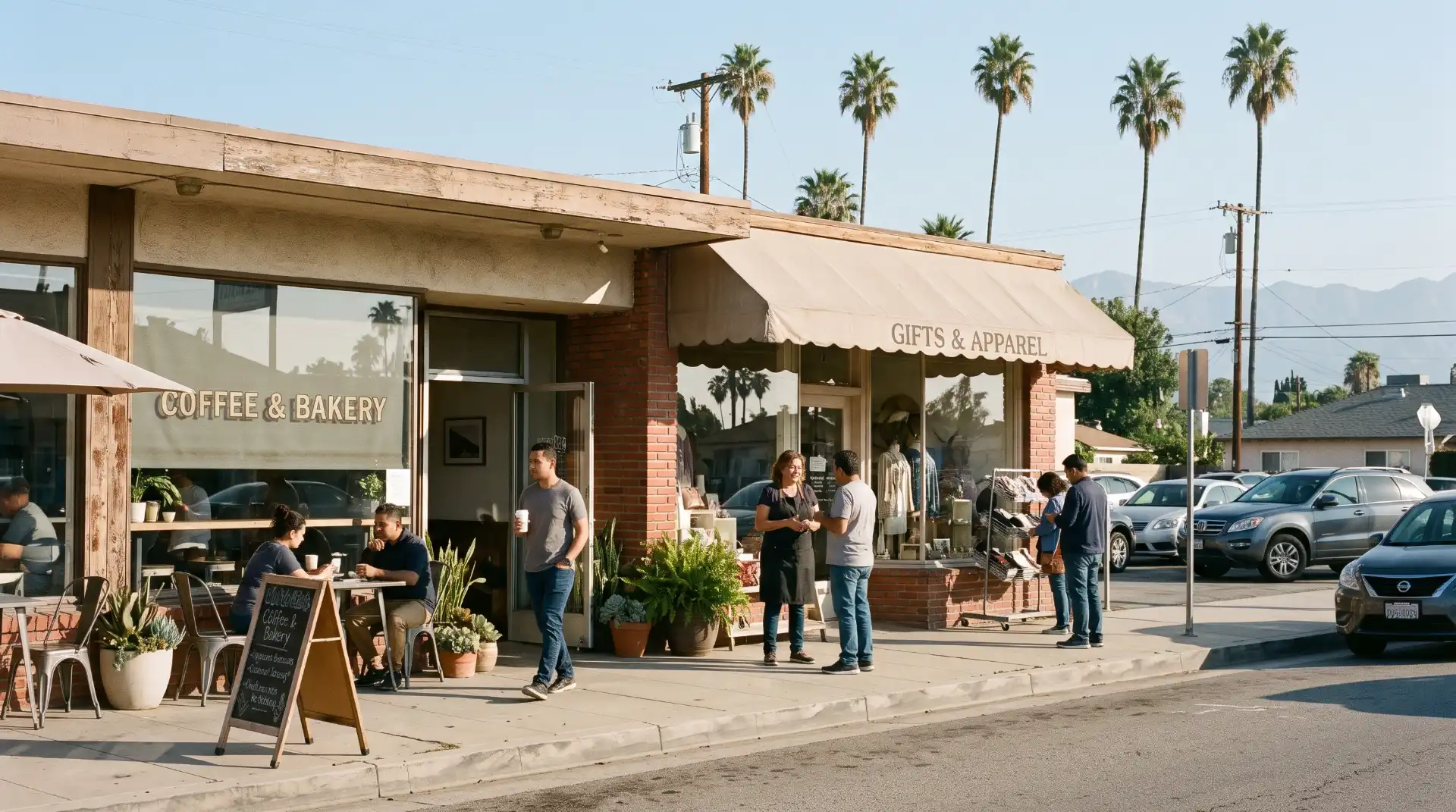
Suburban living in West Covina extends beyond residential streets to a thriving local food and commerce culture. The city’s rich demographic diversity is reflected in its dining scene, particularly along major thoroughfares like Azusa Avenue and Amar Road.
Here, traditional family-owned Mexican taquerias share block space with authentic Filipino bakeries, Asian hot pot spots, and contemporary cafe concepts. Local commercial hubs, including Plaza West Covina, serve not only as retail destinations but as civic gathering points for seasonal holiday events, farmers markets, and outdoor evening concerts during summer months.
Furthermore, proximity to regional educational pillars like Mt. San Antonio College and Cal Poly Pomona brings an influx of students, educators, and young professionals, infusing the community with fresh energy while preserving its family-focused character.
Why West Covina Continues to Flourish
Living in West Covina means enjoying the stability of an established San Gabriel Valley community while staying connected to the broader Los Angeles metropolitan area. With its blend of natural hill preserves, historic neighborhoods, excellent park amenities, and strong civic pride, West Covina continues to exemplify the enduring appeal of Southern California suburban life.
Whether you’re hiking the trails at Galster, enjoying weekend barbecue at a local park, or taking in sunset views over the San Jose Hills, West Covina offers a grounded, welcoming place to call home.