The Indigenous Heritage of the San Gabriel Valley
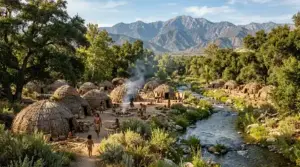
Long before European settlers, homesteaders, or citrus farmers cleared the land, the area that is now West Covina was home to the indigenous Gabrielino-Tongva people. Living in villages throughout the fertile San Gabriel Valley basin, the Tongva built a complex society closely connected to the surrounding natural environment.
The local waterways, rich soil, and native oak woodland provided plentiful acorns, game, and plant materials for daily life and trade. Their deep ancestral connection to the land laid the bedrock of regional history long before modern city boundaries were drawn on a map.
The Spanish Mission Era and Land Grants
In the late 18th century, the arrival of Spanish missionaries altered the landscape of Southern California. With the founding of nearby Mission San Gabriel Arcángel in 1771, much of the surrounding valley was converted into agricultural grazing pasture and farming tracts to support mission operations.
Following Mexican independence in 1821 and the subsequent secularization of mission lands in the 1830s, vast ranchos were granted to prominent families. The land encompassing present-day West Covina was predominantly part of Rancho La Puente, granted to John Rowland and William Workman in 1842. These immense ranchlands transitioned the region from mission property to a bustling hide-and-tallow cattle economy throughout the mid-19th century.
Agricultural Boom: Walnuts and Citrus Orchards
By the late 1800s and early 1900s, large-scale cattle ranches began breaking up into smaller agricultural subdivisions. Farmers quickly recognized that the climate and rich alluvial soil of the East San Gabriel Valley were ideal for specialty crops.
Walnut trees and citrus groves—specifically sweet Valencia oranges and lemons—soon covered hundreds of acres across the valley floor. Irrigation districts were established, packing houses sprang up alongside nearby rail lines, and the quiet community earned a regional reputation for producing some of the finest English walnuts in California. The distinct aroma of blooming citrus blossom dominated the landscape for decades.
Learn more about regional history and agricultural heritage at the County of Los Angeles Official Portal.
Incorporation in 1923: A Defense of Local Resources
The birth of West Covina as an independent municipality in 1923 arose from a crucial civic dispute. In the early 1920s, the neighboring city of Covina made plans to build an industrial sewage farm on lands located just west of its borders.
Fearing environmental contamination of their valuable agricultural soil and groundwater wells, local farmers and landowners organized quickly to preserve their community. On February 17, 1923, residents voted overwhelmingly to officially incorporate as the City of West Covina, successfully preventing the construction project and ensuring local control over zoning and natural resources.
Post-WWII Boom: America’s Fastest-Growing City
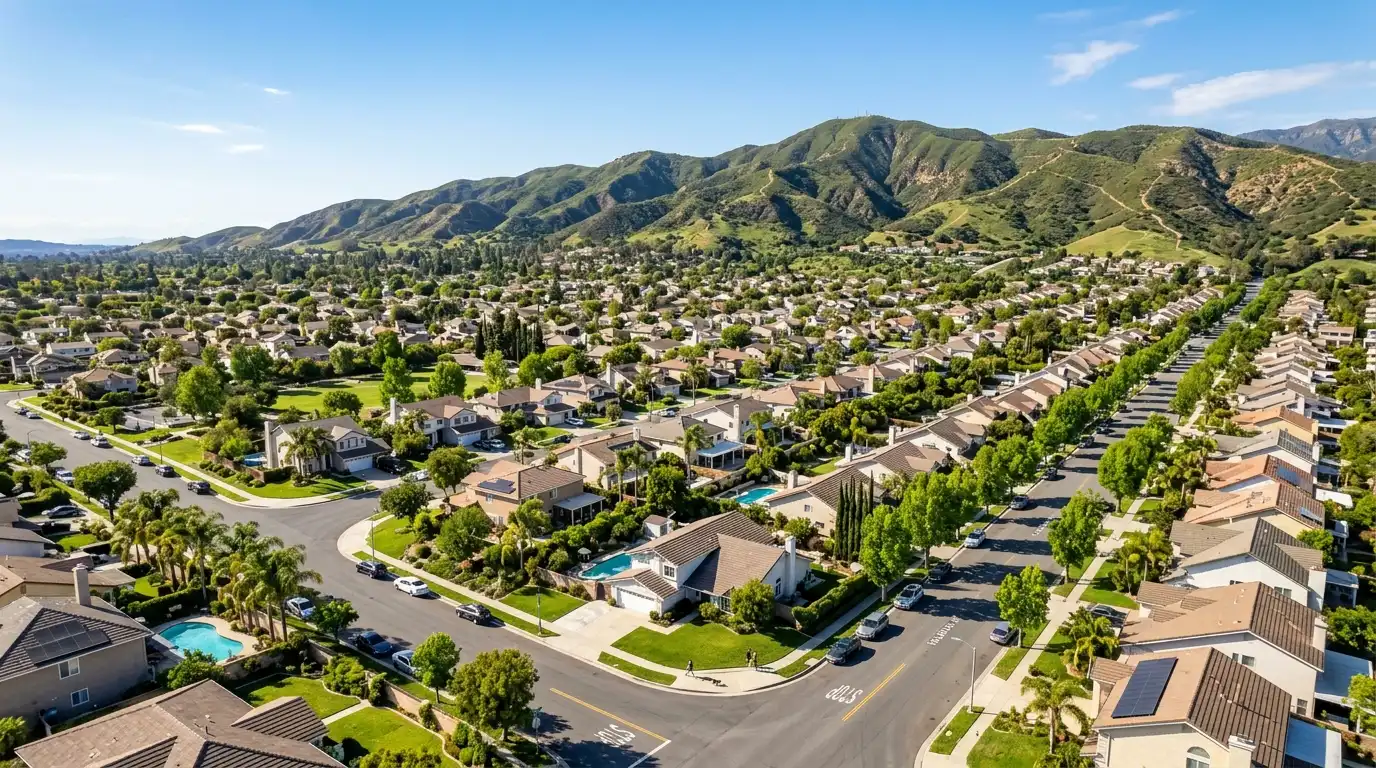
While West Covina remained a modest agricultural town of roughly 1,549 residents through 1940, the period following World War II sparked an unprecedented transformation. Veterans returning from the war, attracted by Southern California’s sunny weather and aerospace job boom, sought affordable suburban single-family homes.
Between 1950 and 1960, West Covina became widely recognized as the fastest-growing city in the entire United States. During this transformative decade, the population exploded by an astonishing 1,000 percent—surging from approximately 4,500 residents in 1950 to more than 50,000 by 1960. Walnut groves and orange trees gave way to paved avenues, modern residential tracts, schools, and neighborhood parks.
Building a Civic Core: The Plaza and Modern Infrastructure
To support its burgeoning post-war population, city leadership invested heavily in commercial and municipal infrastructure throughout the late 1950s and 1960s. The opening of the West Covina Fashion Plaza in 1975 marked a major milestone, creating a regional retail and social destination that served the entire East San Gabriel Valley.
Alongside commercial expansion came the development of modern civic facilities, including a state-of-the-art city hall, central public library, and expansive community recreation centers. The construction of Interstate 10 (the San Bernardino Freeway) further cemented West Covina’s position as a vital regional crossroads connecting Downtown Los Angeles with inland communities.
Preserving History: Hurst Ranch and Heritage Sites
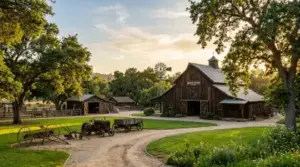
Despite rapid urbanization, West Covina has taken active steps to preserve tangible links to its rustic heritage. One of the city’s most cherished historical landmarks is the historic Hurst Ranch, a pioneer homestead originally established in 1906.
Spanning over three acres in the middle of modern suburban development, Hurst Ranch operates today as a community museum and educational facility. Visitors can explore vintage farming equipment, blacksmith shops, historical buildings, and outdoor exhibits that recreate life during the height of the valley’s agricultural boom.
To learn more about local civic resources and historical parks, visit the City of West Covina Official Website.
West Covina Today: Celebrating Cultural Richness
Today, West Covina stands as a vibrant, multicultural city of over 100,000 residents. The community’s rich past—from its Gabrielino-Tongva roots and Spanish rancho era to its mid-century suburban explosion—is reflected in its diverse neighborhood architecture, historic sites, and community traditions.
As residents look toward a dynamic future, the city continues to honor the hardworking farmers, community leaders, and pioneering families who transformed a vast expanse of walnut trees into the thriving San Gabriel Valley hub we enjoy today.
Historical Highlights at a Glance
- 1842: Rancho La Puente grant establishes major cattle ranching operations in the region.
- 1900s–1920s: The area becomes a dominant regional producer of English walnuts and citrus crops.
- February 17, 1923: West Covina officially incorporates to protect local groundwater and land rights.
- 1950–1960: Population grows by 1,000%, earning national recognition as America’s fastest-growing city.
- 1975: Plaza West Covina opens, establishing a major regional retail hub in the valley.
Conclusion
Uncovering the history of West Covina reveals a story of resilience, foresight, and community pride. From early farmers protecting their groundwater to mid-century families building new suburban dreams, West Covina’s rich heritage remains a source of pride for all who call this vibrant city home.